
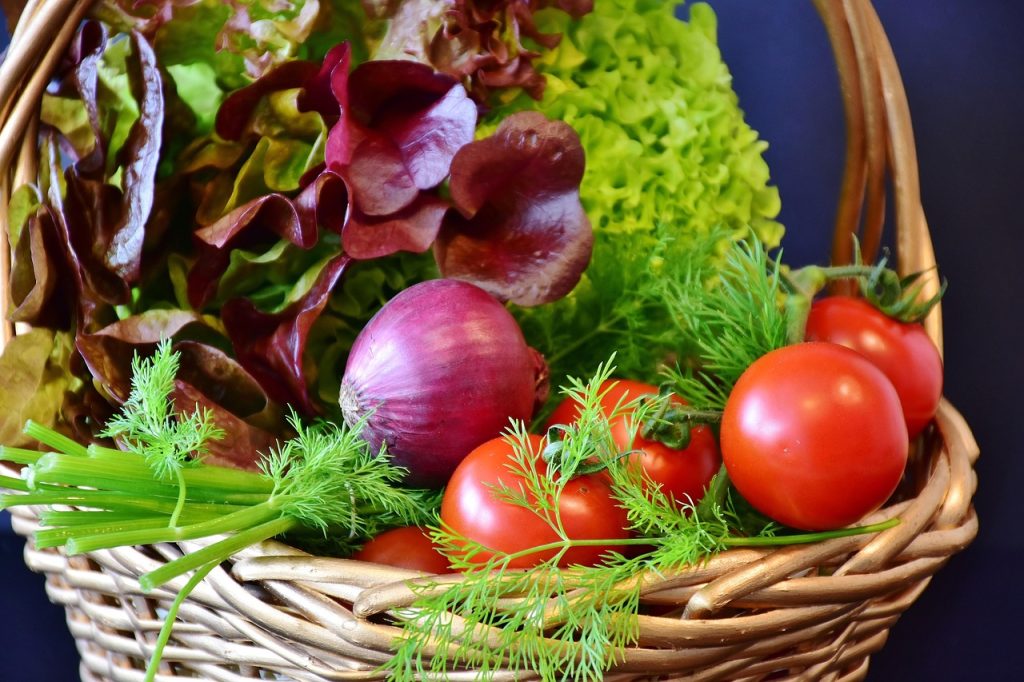
Lettuce is a staple in many diets, known for its crisp texture, refreshing flavor, and versatility in various dishes. With the rise of controlled environment agriculture (CEA), growing lettuce indoors or in greenhouses has become a popular method. This approach, which leverages advanced technologies and sustainable farming practices, offers numerous advantages. Here are the top benefits of growing lettuce in controlled environments:
1. Optimal Growing Conditions Year-Round
One of the most significant benefits of controlled environment lettuce farming is the ability to create ideal growing conditions regardless of the season. In controlled environments, factors such as temperature, humidity, light, and CO2 levels are carefully monitored and adjusted to optimize plant growth. This ensures consistent and high-quality lettuce production all year, even in regions with harsh climates or unpredictable weather patterns.
2. Water Conservation
Water usage is a growing concern in agriculture, especially in regions affected by drought. Controlled environments, such as hydroponic or aeroponic systems, use significantly less water than traditional soil-based farming. Water is recycled through the system, minimizing waste and reducing overall consumption. As a result, lettuce grown in controlled environments can thrive with up to 90% less water compared to conventional farming methods.
3. Reduced Pesticide Use
Growing lettuce in controlled environments reduces the need for harmful chemical pesticides. The enclosed nature of these systems minimizes exposure to pests and diseases, making it easier to control and prevent infestations. When needed, organic pest control methods can be employed, ensuring that the final product remains free from toxic chemicals. This not only makes the lettuce safer for consumption but also protects the surrounding ecosystem.
4. Higher Yields and Faster Growth
Lettuce grown in controlled environments benefits from optimal conditions, which promotes faster growth and higher yields. By carefully regulating light, temperature, and nutrients, farmers can accelerate the growth cycle, allowing for multiple harvests in a single year. This results in higher productivity compared to traditional outdoor farming, where growth can be affected by weather and seasonal variations.
5. Reduced Transportation Costs and Carbon Footprint
Since controlled environment farming can be done locally, it reduces the need for long-distance transportation, which in turn decreases the carbon footprint associated with the production and distribution of lettuce. By growing lettuce closer to urban centers or markets, the environmental impact of transporting fresh produce is minimized. Local farming also means fresher, more flavorful lettuce for consumers.
6. Space Efficiency
Controlled environment farming, such as vertical farming, allows for the efficient use of space. Lettuce can be grown in stacked layers, maximizing productivity in a smaller footprint. This is particularly valuable in urban areas or regions with limited available land for traditional farming. Vertical farming can also be done indoors or on rooftops, further conserving valuable space while still producing large quantities of high-quality lettuce.
7. Better Nutrient Control
In a controlled environment, the nutrient levels in the water or growing medium can be precisely regulated to ensure that lettuce plants receive the optimal amount of nutrients at every stage of their growth. This results in healthier plants and more nutritious produce. Controlled environments also reduce the risk of nutrient deficiencies or imbalances that can occur in traditional soil farming, leading to higher-quality lettuce.
8. Less Impact from External Factors
Traditional outdoor farming is subject to various external factors, such as unpredictable weather, pests, and soil quality issues. Controlled environments eliminate many of these challenges, providing a stable environment for lettuce growth. Farmers can protect crops from extreme temperatures, heavy rainfall, and drought, ensuring a more reliable and resilient harvest.
9. Enhanced Food Security
Growing lettuce in controlled environments can help enhance food security by providing a consistent and reliable source of fresh produce, even in areas where traditional agriculture may not be feasible due to poor soil quality or climate challenges. As the global population grows, controlled environment farming offers a sustainable way to meet the increasing demand for fresh vegetables.
10. Support for Sustainable Agriculture
By minimizing water use, pesticide reliance, and the need for large amounts of land, growing lettuce in controlled environments supports sustainable farming practices. These systems can be integrated into urban areas, reducing the pressure on rural land and promoting more sustainable food production. Moreover, by reducing transportation and waste, these farming methods contribute to a more sustainable food supply chain overall.
Conclusion
Growing lettuce in controlled environments offers numerous benefits, from increased yields and faster growth to reduced environmental impact and pesticide use. This method provides a sustainable solution to the challenges faced by traditional farming, including water scarcity, unpredictable weather, and soil degradation. As technology continues to advance, controlled environment agriculture has the potential to revolutionize the way we grow and consume lettuce, ensuring that we have access to fresh, nutritious, and environmentally friendly produce year-round.
